Blog Detail
13 Mar
Top Basmati Rice Mills in Punjab: Quality & Global Export
It is a known fact that Punjab is one of the most important agricultural provinces in the country. Out of all the various crops grown in this region, Basmati rice has a special place due to its special aroma and quality. Over the years, the province of Punjab has established a strong network of rice processing facilities that guarantee the production of high-quality rice. In the present scenario, Basmati Rice Mills in Punjab have a crucial role to play in the processing of fresh rice.
In the following blog, we will discuss the role of rice processing facilities and how they contribute to the export of rice from the country.
The Importance of Punjab in Basmati Rice Production
The soil quality and climate of the state are conducive for the production of Basmati rice. The people of the state are engaged in the production of a number of popular varieties of Basmati rice that are enjoyed by people all over the world for their aroma and taste. But the production of Basmati rice is not the end of the process. The rice that is produced by the people of the state needs to be processed properly before it is supplied to the people. It is at this stage that Basmati Rice Mills in Punjab become extremely important. These rice mills are necessary to maintain the quality of the rice during the processing.
How Basmati Rice Is Processed in Rice Mills
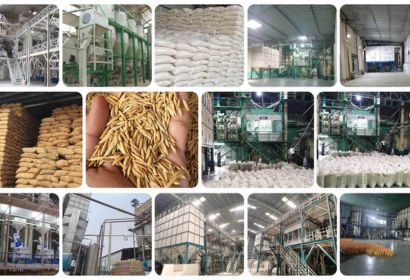
Rice is processed with the help of technology in rice mills, and the processing of rice is a complex procedure that requires a lot of attention so that the quality of rice is maintained. There are a few steps that are considered very important in the processing of rice.
1. Cleaning and Pre-processing
Once the paddy is received in the rice mill, it is cleaned properly so that all the dust, stones, and other unwanted particles are removed from the paddy. This ensures that only good quality paddy is further processed for the production of rice. In most Basmati Rice Mills in Punjab, automatic machines are used for the cleaning of the paddy, and the unwanted particles are separated from the rice grains.
2. De-husking
In the process of de-husking, the outer husk of paddy is removed with the help of automatic machines. The aim of de-husking is to remove the outer husk of paddy and retain the rice grain. In most of the Basmati Rice Mills in Punjab, technology is used in the process of de-husking paddy, and the length of basmati rice is maintained.
3. Polishing and Whitening
After the rice is freed from the husk, the next step is polishing. Polishing is done to improve the looks of the rice. It is at this stage that the bran is removed from the rice. The rice is now clean and shiny.
It is true that the concept of polishing the rice is to make it look nice. However, the rice processing plants polish the rice to perfection without compromising on the taste.
4. Grading and Sorting
Rice is sorted according to the sizes and shapes of the rice. Broken rice is also sorted out from the whole rice to maintain uniformity. The Top Basmati Rice Mills in Punjab use digital color sorters and graders to sort the rice before packaging.
Quality Control and Food Safety
Quality is the most important aspect of the rice industry. It is essential for the rice mills to follow the quality guidelines in the export market. Most of the Basmati Rice Mills in Punjab have implemented international food safety regulations such as ISO, HACCP, and others regarding quality control. These regulations ensure the quality of the rice so that it does not harm the consumers and meets international export regulations. Tests are conducted on a periodic basis to ensure the quality of the rice in terms of moisture content, length, aroma, and purity. Rice husk, a by-product, is being used as a fuel source or is being converted into a useful product. These innovations have helped in improving productivity as well as ensuring environmentally friendly operations.
Reasons Why Buyers Prefer Punjab’s Basmati Rice
There are various reasons why buyers across the world prefer to buy Basmati rice from Punjab.
The first and foremost is the experience that has been gained over decades in rice production and processing. Secondly, modern rice processing plants ensure quality control over every aspect of processing. Lastly, the geographical conditions are favorable for producing rice with high aroma and length. With these reasons in mind, Basmati rice Mills in Punjab have gained a strong reputation for providing high-quality rice to buyers around the world.
Future Growth of the Basmati Rice Industry
The demand for Basmati rice is increasing in international markets. Hence, the rice milling industry in the region of Punjab is likely to grow further in the future. Investment in technology and infrastructure facilities will definitely enhance the production capacity of Basmati rice. With the backing of the Indian government and the experience of the farmers, Basmati rice Mills in the region of Punjab are likely to thrive.
FAQs
1. Why is Punjab known for its production of basmati rice?
The state of Punjab has fertile land and the perfect climate and technology to cultivate the finest quality of rice.
2. What is the function of the basmati rice mill?
Rice mills play an important role in the processing of the harvested crop of paddy and converting it into edible rice.
3. Do the basmati rice mills of Punjab export their products?
Yes, the rice mills of the state export their rice to various countries of the world.
4. What steps do the rice mills take to maintain the quality of their rice?
The rice mills maintain the quality of the rice through the use of modern technology and food safety standards.
5. What is so special about the basmati rice?
The special features of the basmati rice include its long grain, softness, and flavor.
Recent Post


Partner With Us
Please fill out the form below and we will get back to you as soon as possible to discuss partnership opportunities.