Blog Detail
03 Oct
Premium Quality Rice in India: How to Choose the Right Rice
It is a common practice for Indians to eat rice at home, in restaurants, in hotels, through caterers, and through food manufacturers. The selection of rice is not based on cost alone. Some of the factors that need to be considered include grain size, smell, cooking quality, milling process, purity, and consistency.
Factors That Make Premium Quality Rice in India Stand Out?
High-quality rice in India comprises clean grains, uniformity in size, proper color, minimal broken grains, and proper cooking properties. In the case of basmati rice, flavor and aroma are other factors to consider. The grain has to be able to cook properly and also remain separated when desired to do so.
The premium quality of rice in India is not only affected by milling but even from before. The choice of paddy, harvesting, storage, drying, and even milling can have an effect on the end product.
Understand Rice Varieties
The rice varieties of India are available in various forms which are used for multiple purposes. For example, the basmati rice variety is largely eaten in food items like biryani, pulao, and fried rice owing to its fragrance and elongated form. The rice varieties of India include: 1121, 1401, 1509, 1718, 1885, and PUSA.
However, non-basmati rice has an important position on both domestic and foreign markets. Non-basmati rice may be chosen depending on cooking method, texture, geography, and usage. That is why the high-quality rice of India is not only one kind of it. Your choice is dependent on your plans and your customers.
Check Grain Appearance
Inspection of the grains is very important before purchase. Uniformity in terms of size and appearance of the grains is what is expected. High percentage of broken grains, contamination, discoloration, and irregular processing are signs of poor quality.
For long grain basmati rice, the length of the grains is very helpful. However, it is not the only thing to look at. A grain that looks long might not work well in terms of performance if the processing or storage has been poor.
Pay Attention to Processing
There are several processes involved in modern rice milling. These processes range from the cleaning process, the grading process, the milling process, the polishing process, the steaming process, the drying process, and the sorting process.
The sorting process helps remove any unnecessary components from the rice and sort the grains depending on the required characteristics. The appropriate processing of the rice guarantees batch uniformity, which is important for wholesalers, exporters, hotels, and food services.
Evaluate Cooking Performance
Testing this rice in the kitchen is the only way to know how it really cooks. The perfect rice should be able to give similar results when cooked depending on the type of rice. Check out whether the rice gives uniform results.
With basmati, note how much the rice stretches when cooked and if each grain is distinct from others. The aroma is one of the useful factors as well. There can be some variations based on the amount of water used, soaking time, and cooking methods.
Look at Packaging and Storage
The rice pack should protect the rice from moisture, dirt, and mechanical damage. Make sure the pack is sealed and provides all the relevant information about the type, net weight, etc. The storage place should be dry and well-aerated, and should be protected from bad smells and humidity.
Why Punjab Matters for Basmati
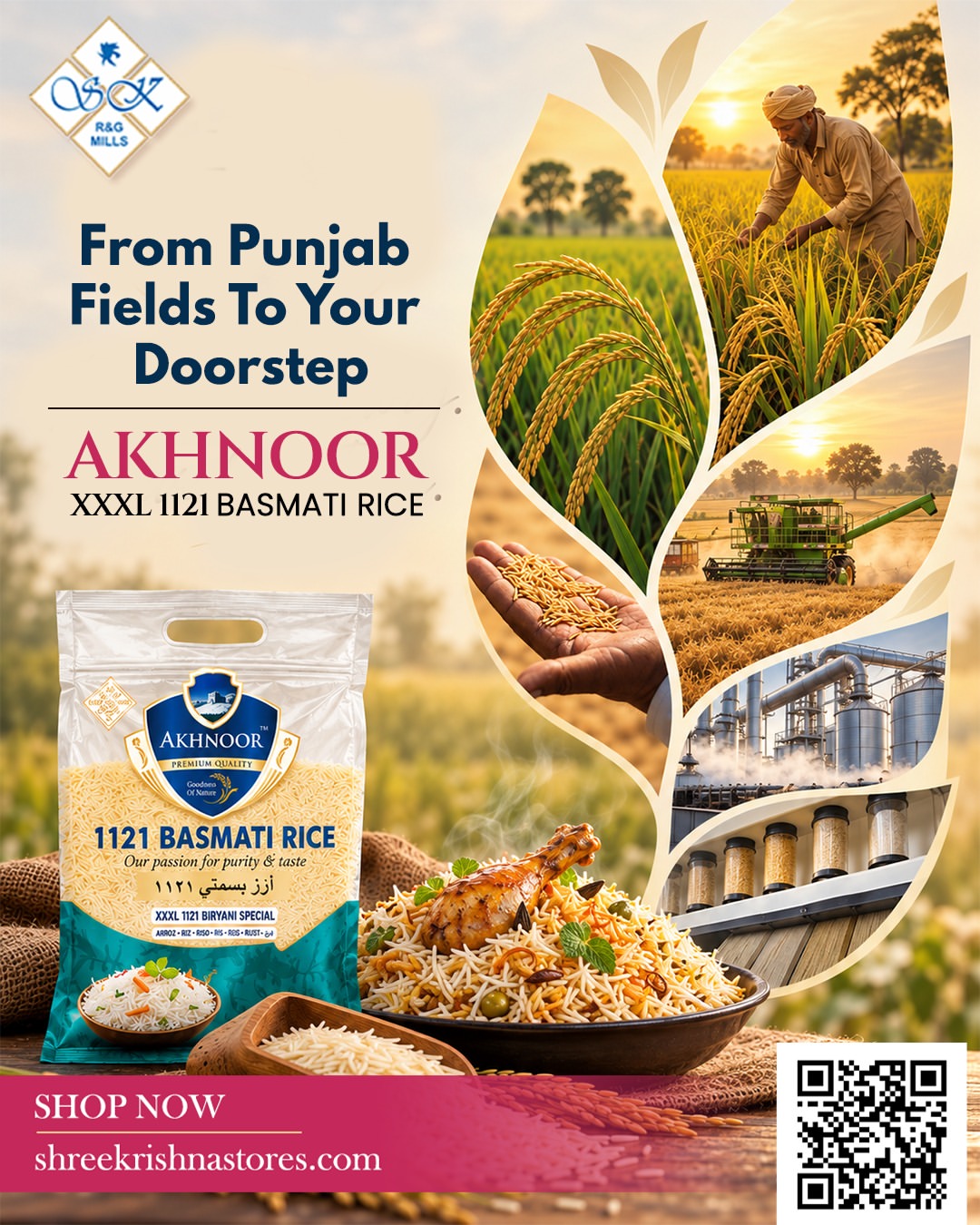
Punjab is one of the prime areas that form part of the basmati rice business in India. The agricultural setting, procurement system, processing facilities, and expertise with basmati rice make Punjab a good area for the availability of rice. Those who are looking for good quality rice in India will definitely think about Punjab due to their expertise in dealing with basmati rice.
Nevertheless, just being in Punjab does not mean that the quality is good. Evaluate your grain before purchasing.
Key Takeaways
- Selection of premium quality rice requires an awareness of the purpose of the rice first of all. This includes checking factors such as the variety of rice, grain appearance, smell, cleanliness, milling quality, cooking quality, packing quality and trustworthiness of the supplier.
- The phrase premium quality rice in India needs to denote grain quality and performance quality rather than marketing gimmicks. A well-thought-out buying strategy will help consumers buy good quality rice.
Frequently Asked Questions
1. How do I identify good-quality rice?
Factors such as grain quality, cleanliness, odor, damaged grains, packing, and cooking performance need to be considered. In case of basmati, factors like size of the grain and elongation after cooking need to be taken into consideration as well.
2. Which type of rice is used for biryani?
Long-grain basmati should ideally be used for biryani because of the fragrance and quality of the grain.
3. Is the long grain of rice always of superior quality?
No, because the length of rice is not the only thing to be taken into consideration while determining the quality of rice.
4. Which approach should be adopted while storing rice?
Rice should be stored in a hygienic and dry area which does not contain moisture, insects, or contamination. The rice pack which is opened must be sealed tightly.
5. What factors need to be taken into account in bulk procurement of rice?
Some of these are variety, specifications, samples, packing, processing, availability, and communication from the supplier.
Conclusion
Premium quality rice in India that suits your culinary demands, quality standards, and buying requirements is available. Rather than evaluating premium quality rice in India only based on its price and looks, one should take into account the process of its production, packing, and cooking. This will help consumers in finding premium quality rice in India.
Recent Post

Partner With Us
Please fill out the form below and we will get back to you as soon as possible to discuss partnership opportunities.