Blog Detail
02 Nov
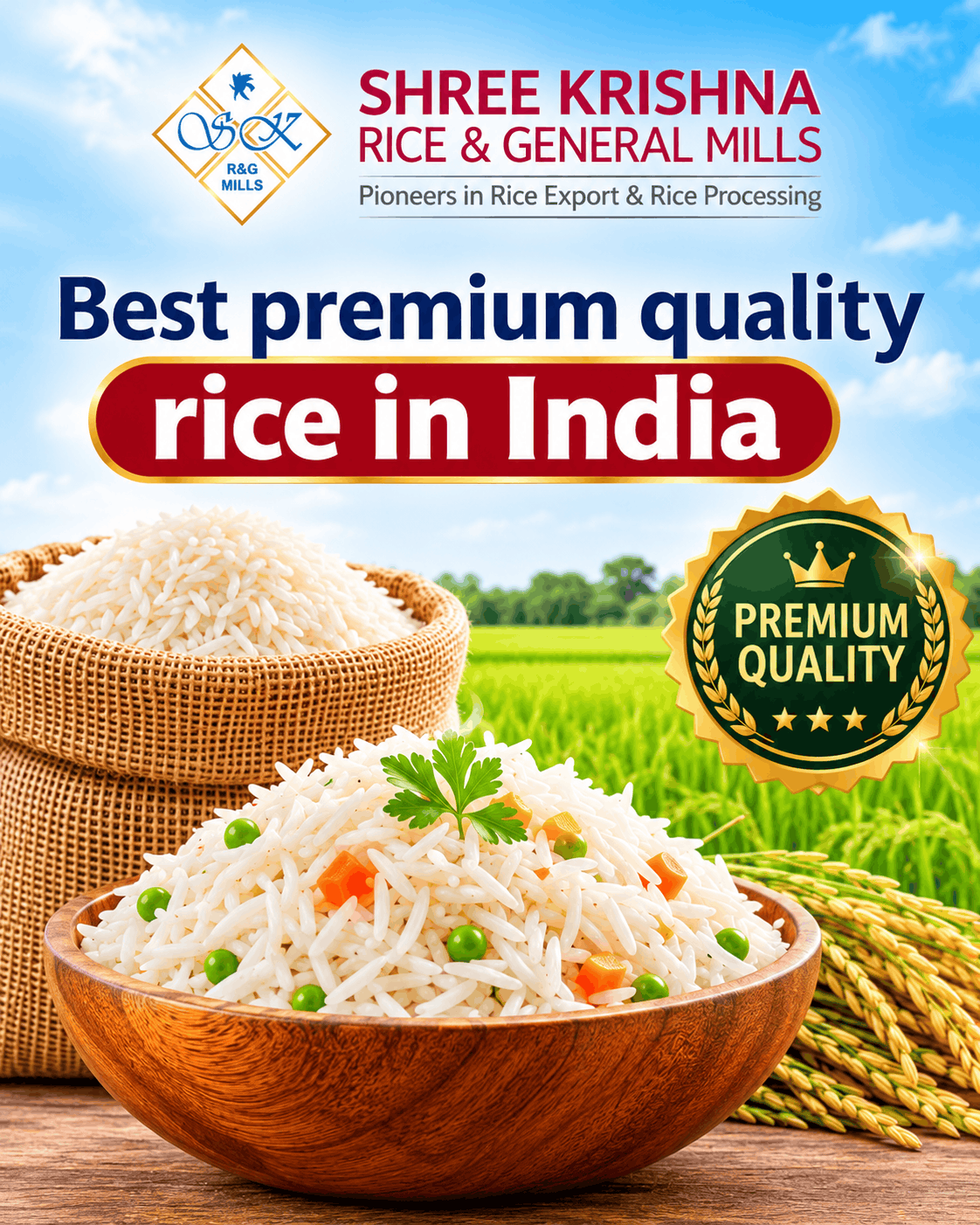
Best Premium Quality Rice in India | How to Choose the Right Rice
Although rice is consumed daily, different varieties require different methods to prepare. One should buy rice based on their recipe and quality.
Main Takeaways
- Select the type of rice depending on the recipe and the kind of rice texture you like.
- Inspect the grains for uniformity, smell, cleanliness, and packing while buying.
- Basmati has a distinct aroma and length while other non-basmati rice types work well for everyday cooking.
- The end result of cooking will depend on quality of the rice, how it has been stored, water and method of cooking.
- Always choose to buy from a supplier who has clear details of the product and conducts quality checks.
What Makes Rice Premium?
The Best premium quality rice in India does not necessarily mean high-priced products. The process of obtaining quality is from planting to milling, sorting, and packing. The rice will have clean, relatively uniform, and uncontaminated grains. It must have an appearance that is natural and where appropriate, an attractive smell.
Consumers consider the Best Premium Quality Rice in India not only to be attractive, but also dependable for use in the kitchen. Factors such as the size of the grains, their brittleness, moisture content, freshness and cooking qualities matter. A responsible supplier should state the variety, milling and the use.
Choose the Right Rice for Your Dish
Basmati is used in biryani, pulao, and celebration dishes due to its fragrance and long grain. On the other hand, non-basmati rice is appropriate for everyday dishes, rice dishes, dosa dough, and local cuisine. Rice can be short or medium grain if one wants a softer texture.
When it comes to choosing the Best premium quality rice in India, there are three questions that need answering:
What are you cooking
Separated or soft grains
How frequently would you use the rice
Understand Basmati Processing Types
There are several types of Basmati rice depending on the stage of processing.
Raw Basmati Rice: It is processed without parboiling; this could result in a delicate grain, and it is good for dishes where cooking is required.
Steam Basmati Rice: This type of rice has been exposed to steam prior to being milled; this could assist the grains from breaking while cooking.
Sella Basmati Rice: This rice is parboiled before milling. The creamy or white sella and golden sella are different in terms of color and processing.
How to Check Rice Quality Before Buying
To determine the Best premium quality rice in India, begin by examining the pack’s labelling. This would provide you with information on the variety of rice, the type of processing, net weight of rice per pack, batch information, packaging date and storage requirements.
If possible, examine the grains of rice to ensure that they are relatively uniform and devoid of any contaminations. There will be some breakage, which is acceptable, but excessive breakage may affect the appearance of the rice. The rice should have a good smell without being musty.
Cooking and Storage Matter Too
Even good rice can cook badly if not done right. Water should be measured depending on the type and cooking method. Rice should be rinsed when necessary and instructions followed on soaking from the pack. Basmati tends to improve with soaking.
Keep the rice in an airtight container in a cool, dry place, away from moisture, smells, and pests. Always use the old rice first and do not mix different lots together.
Choosing a Trusted Rice Supplier
A supplier of Best Premium Quality Rice in India must give clear product descriptions, consistent product quality, and good customer service. Consistency will allow family shoppers to shop confidently and allow restaurants, wholesalers, and exporters to minimize kitchen variations.
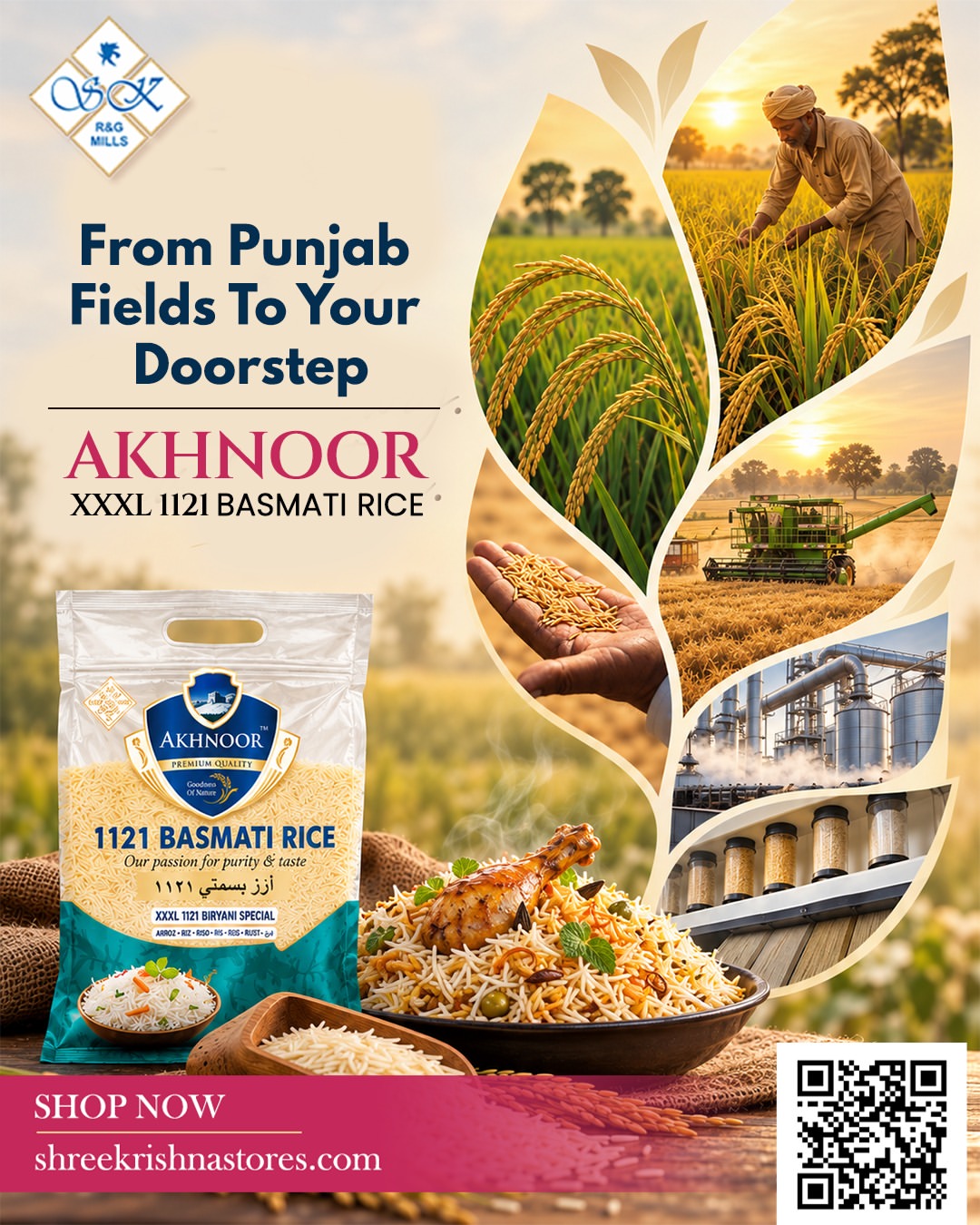
Shree Krishna Rice and General Mills is located in the state of Punjab and produces basmati and non-basmati types of rice. Find out the type of products offered by the company, processing, packaging, and the practices of quality control.
Compare Before You Commit
India's Best premium quality rice requires comparison. Be sure to know the type of rice, its grain length, its processing, packaging size, and the final product after cooking each variety. If you are going to buy rice for family consumption, be sure that you will use it on time and the pack size will not spoil before that.
India's Best premium quality rice must serve your needs, not impress you in a picture. Find out if the seller can consistently provide this type and processing of rice. If you are planning a large order, find out all about the schedule of delivery, packaging, and solving any quality issues.
Study the description thoroughly and ask questions about all the unknown terminology. Try cooking a small portion of rice before purchasing a larger amount.
Frequently Asked Questions
1. What type of rice should be used in everyday cooking?
Select based on texture and local cuisine. Some people prefer using non-basmati rice, while others like to use basmati. Go for a smaller packet to begin with.
2. Is basmati always superior to non-basmati rice?
No. While basmati provides aroma and long grains, non-basmati rice can suit many recipes.
3. In what way is steam basmati rice different from sella basmati rice?
The steam rice is steamed while sella rice is parboiled. The difference lies in their texture and color.
4. How can one determine high-quality rice bought from stores?
This includes labeling, packaging, grains, clean, and smell. In case the rice is sold in bulk, test it.
5. Do you need to soak basmati rice?
Yes, especially for biryani or pulao preparations.
Make a Smart Choice
When selecting the Best premium quality rice in India, one needs to select the rice that fits into their recipe and gives them consistent performance.
Recent Post
Partner With Us
Please fill out the form below and we will get back to you as soon as possible to discuss partnership opportunities.