Blog Detail
17 Nov
How Premium Basmati Rice Is Processed: From Seed Selection to Global Export
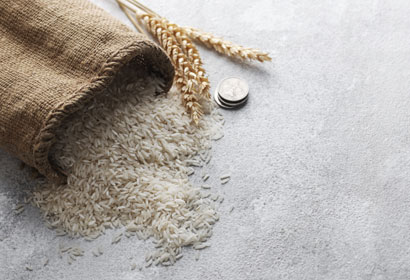
Premium Basmati rice is renowned worldwide for its long grains, rich aroma, and delicate texture. But behind every high-quality grain lies a meticulous process that begins long before milling. It starts with selecting superior seeds, typically developed by research institutions like IARI (Pusa) or PAU. Farmers then cultivate the crop under carefully monitored field conditions, ensuring soil health, irrigation, and pest management are balanced for optimal grain development.
Once harvested, the paddy undergoes pre-cleaning, drying, and storage. Maintaining the correct moisture level is essential to preserve grain quality. The rice is then moved to state-of-the-art milling units, where it is de-husked, polished, graded, and sorted using advanced technologies. This stage ensures uniform grain length, color quality, and minimal breakage.
High-end processing facilities, such as ISO and HACCP-certified plants, follow strict hygiene standards to ensure purity and safety at every stage. The rice then goes through multiple quality checks, including aroma testing, cooking trials, and laboratory analysis.
Finally, the rice is packed in export-ready packaging options—Jute, JDPP, Poly Pouch, or Non-Woven bags—and dispatched through efficient logistics channels. From farms to global markets, every step ensures premium Basmati rice reaches consumers in its finest form.
Recent Post


Partner With Us
Please fill out the form below and we will get back to you as soon as possible to discuss partnership opportunities.